
NS BIO Microbial Technology | Site Records
NS BIO is New Sun Oversea's multi-microbial technology. Product composition, technical design and application information should be read with current documents and site records. This page organizes product information and case records; it does not establish a fixed outcome for every site.
NS BIO organizes product and technical information for soil and root-zone, water-quality, odor-source and other environmental-management assessments. Determine suitability from the management objective, product label, system design, site conditions and monitoring data.

Technical Design and Application Assessment
Multi-Community Product Structure
Use current technical documents for product composition and community details
Ecological Succession Data
Interpret related observations from site sampling, operating conditions and records
Site Condition Differences
Microbial observations may differ across sites and use conditions
Follow-up Management Planning
Set the management method and frequency from the site plan and monitoring data
NS BIO Technology can be reviewed with patent and testing documents, including Taiwan SGS testing, pesticide residue and other product-specific documents. View patent, registration and testing documents →
1 Product Introduction & Technical Advantages
NS BIO is a multi-microbial technology. Read product composition, technical design and application information with current documents and site records.
Derived from Natural Black Soil
Not laboratory-expanded product, multi-community cultivation technology derived from natural black soil
- Main components are actinomycetes groups
- Beneficial microorganisms and their secondary metabolites
- Assess function and application from product documents and site data
Front-End Organic Matter Treatment
Provides technical information for organic-matter management assessment
- Interpret organic-matter changes through sampling and operating records
- Compare products or methods only under stated comparable conditions
- Suitable for various organic pollutant decomposition
Local Site Assessment
Assess local microbial groups with site conditions and records
- Provides secondary metabolites as nutrients
- Interpret local microbial observations through tests or field records
- Determine follow-up treatment from the system design
2 Technical Design and Data Review
Multi-Community Structure
Not a single dominant strain, contains multiple microorganisms and their ecological relationships
Multi-Community Information
Interpret community composition and characteristics through current technical documents and site data
Low Total Bacterial Count Design
Does not emphasize high bacterial counts, focuses on community structure and ecological balance
Site Adjustment Assessment
Assess relationships among site conditions, management methods and community observations through sampling and records
NS BIO Application and Data Review Process
- Introduce the NS BIO Product
Confirm the method from current product documents, the construction plan and site conditions, then record the initial soil or water conditions. - Site Observation and Data Collection
Record pH, temperature, oxygen, nutrients, pollutants and other conditions relevant to the project. - Review Site and Microbial Data
Interpret microbial-related observations from product documents, sampling methods and field records. Do not assume the same outcome at every site. - Record Application Conditions
Record materials, operating methods, environmental conditions and maintenance for later comparison and adjustment. - Interpret Results Against Documents
Use stated indicators, sampling periods, measurement methods and original records to interpret observations. - Plan Follow-up Management
Set the follow-up method and frequency from monitoring data, site changes and current product documents.
3 Product Information Comparison Scope
| Technical Parameters | NS BIO Multi-Community Technology | Traditional Single Strain Agents |
|---|---|---|
| Community Structure | Use the community stated in current product documents | Use the strains stated in current product documents |
| Total Bacterial Count Design | Use the current product document and test method | Use the current product document and test method |
| Action Principle | Read the technical document with site data | Read the technical document with site data |
| Environmental Adaptability | Assess from site conditions and observation records | Assess from site conditions and observation records |
| Intervention Timing | Confirm from the product label and construction plan | Confirm from the product label and construction plan |
| System Stability | Interpret from the monitoring period and records | Interpret from the monitoring period and records |
| Action Target | Set observation indicators from project objectives | Set observation indicators from project objectives |
4 Technology Application Areas
Soil Improvement
Review soil structure, fertility and crop records
Water-Quality Management
Interpret organic pollutants and water-body changes through sampling, testing and operating records
Waste Treatment
Can be evaluated for organic waste management; actual effects depend on site conditions
Oil-Contaminated Site Assessment
Review oil-contaminated-soil and heavy-metal site information with applicable monitoring and risk-assessment records
NS BIO Technology Application Products & Cases by Field
Agricultural Soil Improvement
Aquaculture
Product
External Methods & Applications (New Sun Technology)
Oil-Contaminated Soil Remediation
Product
Case Record
Environmental Deodorization
Product
Case Records
Water-Quality Management
Products
Case Record
5 Application Product Series
This section lists New Sun Oversea product information. Confirm the applicable scope from current product documents and site conditions:
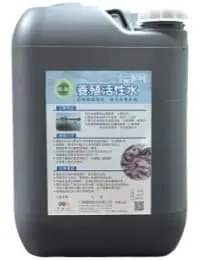

Agricultural Active Water No. 2
Registration-exempt product category; soil and root-zone management
Agricultural Improvement
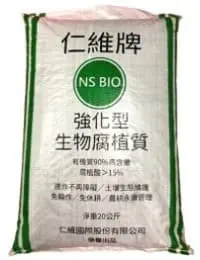
Enhanced Bio-Humus
Confirm organic-matter content and applicable scope from the product label and current approval documents
Product Records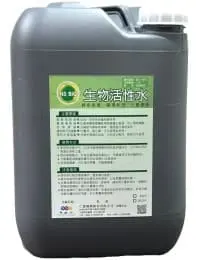
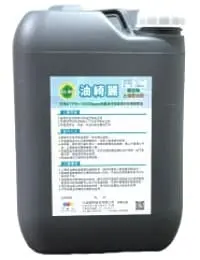
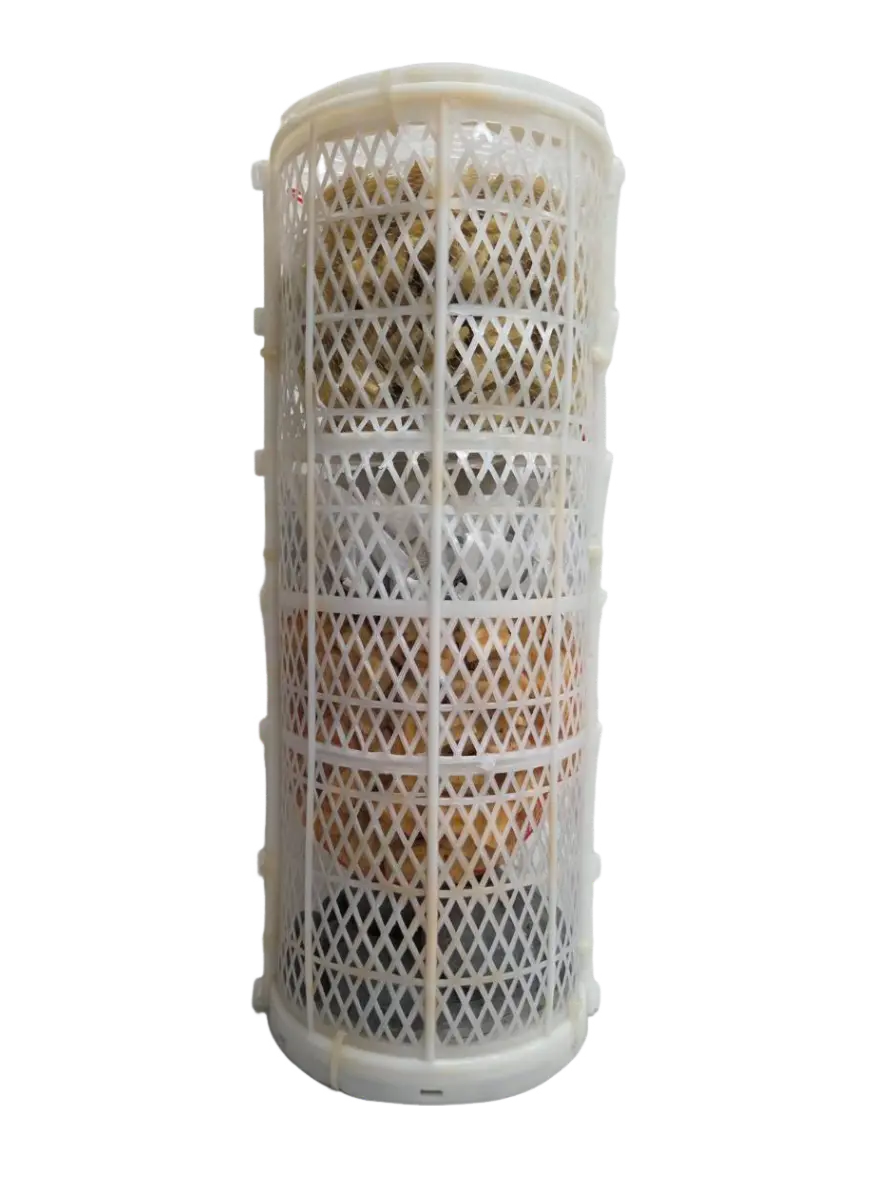
Bio-Reactor
Porous water carrier and environmental-management assessment information
Environmental Engineering6 Application Case Records
The following application records illustrate how NS BIO technology has been used. Interpret each case according to its source records, sampling method and stated scope:
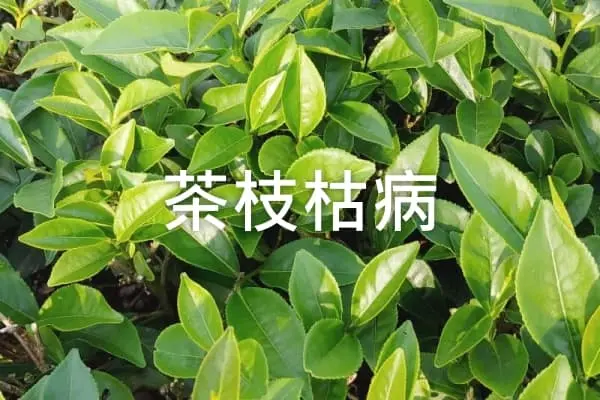
Tea-Garden Management Observation
Nantou Mingjian tea plantation, product-use and growth observation records
Product used: Agricultural Active Water No. 2
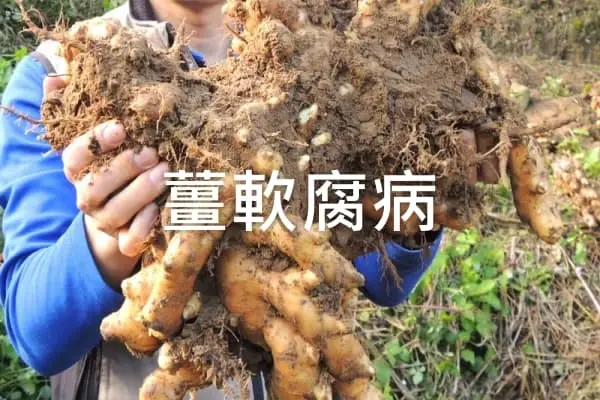
Ginger Soil and Root-Zone Management
Taichung ginger soil and root-zone management case; review with the complete record.
Products used: Agricultural Active Water No. 2, Enhanced Bio-Humus
7 Technical Resources Download
Technical documents
Download NS BIO product documents and application case information
NS BIO Technical Manual
Technical design, comparison conditions, application information and precautions
Download PDF Technical DocumentTechnical Application Case Collection
Application records covering soil and water-quality management contexts
View Application CasesProduct and site information
Discuss product documents, site conditions and available monitoring records for a proposed application.
Document review
Review product labels, technical documents and applicable records.
Site assessment
Review site conditions, monitoring methods and comparison periods.
Record planning
Set out the operating records and measurements needed for later review.