
Biological Active Water | Site Assessment
Odor-Source Management
For evaluation of organic-pollutant and odor-source management
Environmental Site Assessment
For site-specific soil and environmental-management planning
Testing Documentation
Product-specific test documents are interpreted by the stated sample and conditions
Multiple Applications
Suitable for farms, landfills, wastewater plants, home environments
Product Core Advantages
Biological Active Water is a New Sun Oversea microbial product for environmental odor and organic-matter management. Assess use through product documentation, site conditions, operating records and any applicable monitoring requirements.
Biological Active Water may be considered for odor, organic-matter and environmental-management applications. Treatment scope and performance vary by site and should be evaluated through monitoring data and operating records.
1 Product Introduction & Uses
Industrial Environment and Odor Records
Industrial site conditions and records
- Pig-farm and poultry-farm odor records
- Landfill and wastewater-site records
- Composting-facility odor observations
- Industrial wastewater management records
Environmental Engineering Assessment
Site and soil-management information
- Soil-pollution site records
- Greening-engineering assessment
- Grassland restoration case information
- Slope-greening records
Home Environment Maintenance
Home environment information and records
- Kitchen-waste and trash-can odor records
- Drain-pipe and septic-tank maintenance
- Sewage-system maintenance records
- Home-environment records
What is Biological Active Water?
Biological Active Water is a New Sun Oversea product presented for site-specific environmental-management assessment. Product-specific test documents, including any fragrance-related result, must be read with the stated sample, date, method and conditions.
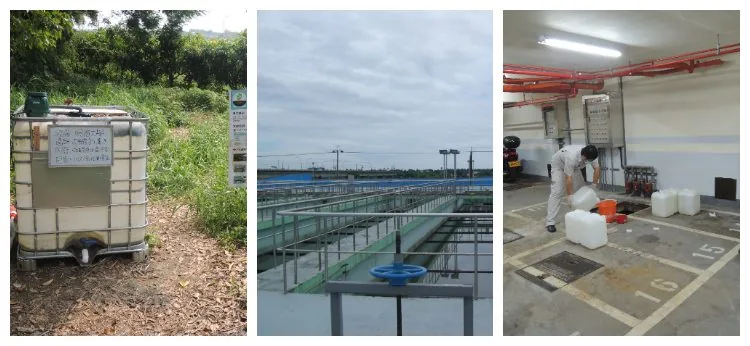
Biological Active Water Application Information
Environmental Engineering Assessment
Review greening, ecological restoration, soil and fertility conditions from project records
Environmental Odor Management
Assess odor-source and organic-pollutant management for farms, landfills and wastewater plants
Fertilizer Composting Assessment
Review composting conditions using raw materials, moisture, temperature and turning records
Home Environment Maintenance
Kitchen waste, septic-tank and drainage-system odor management and cleaning records
Application Considerations
Biological Active Water is evaluated with site conditions and operating methods in mind:
- Testing Documentation: Interpret each report by its stated sample, date, method and conditions
- Odor-Source Management: Assess the organic pollutant and odor source before use
- Application Planning: Plan site-management activities from product documents and site conditions
- Site Suitability: Industrial, agricultural and household environments require different assessments
- Operating Follow-up: Monitor site conditions throughout use
2 Greening Engineering Applications
Greening Engineering Site Assessment
Biological Active Water may be included in a greening-engineering assessment. Any use should be confirmed from soil, drainage, planting and maintenance conditions.
Areas requiring greening engineering often have difficult growing conditions or damaged and eroded soil. Review organic matter, drainage, soil structure and operating conditions before considering Biological Active Water; greening results depend on the site and management plan.
Slope Greening Engineering
Steep-terrain site records
- Central China slope records
- Soil structure and drainage records
- Moisture-retention material records
- Planting and root observations
Arid Area Restoration
Dryland site data and planning
- North China desert records
- Grassland restoration case information
- Water conditions and management records
- Soil organic-matter test data
Site Data Review
Interpret results from tests and construction records
- Soil organic-matter and microbial data
- Soil structure observation records
- Nutrient and material-use records
- Aeration, permeability and drainage conditions
Engineering Case Records
In our Central China slope greening project, the team recorded a two-stage spray application of Biological Active Water mixed with organic fertilizer at a site with large slopes, thin soil and severe erosion. Interpret vegetation and rooting observations with the site records and comparison method.
The North China grassland case records product use in an arid site. Vegetation coverage and soil organic matter should be interpreted using the comparison method, sampling locations, observation period and original records. The case does not establish the same outcome for other sites.
3 Soil Remediation Technology
Soil Remediation and Restoration Assessment
Review soil damage, ecological restoration and fertility conditions from product documents and project records
Soil pollution remediation may use chemical cleaning, acid washing, surfactants or chelating agents. Compare each method's effect on soil and later land use through case data, treatment records and monitoring results.
Site Observation
Review site changes through defined monitoring and maintenance records
Observation period
Set the review period from site conditions and documented monitoring data
Monitoring scope
Review physical, chemical and biological observations using stated methods
Environmental review
Evaluate composition and environmental impact through product documents and site requirements
Remediation Technology Process
Remediation assessment stages
- Initial assessment: Record soil, pollutant, product-label and operating conditions
- Organic-matter observation: Review changes with a stated sampling method and period
- Microbial records: Use testing or field records to document microbial-related observations
- Follow-up assessment: Review physical, chemical and biological data before adjusting the method
Soil-remediation periods and outcomes vary with pollutant type, concentration, soil properties, method and monitoring. Biological Active Water may be considered as part of an environmental-management plan; restoration and fertility observations require formal assessment and site records.
4 Environmental Odor Management
Farm Odor Records
Livestock-site conditions and records
- Pig and poultry manure records
- Sewage-system odor observations
- Open aeration-pond management records
- Sludge observation and records
Composting Facility Records
Organic-waste conditions and records
- Animal-waste records
- Sulfide and ammonia observations
- Surface-spraying records
- Space odor observations
Municipal and Industrial Site Records
Review operating and environmental records
- Wastewater plant odor records
- Landfill odor-management records
- Surrounding-environment observations and communication records
- Environmental-requirement review records
Farm Odor-Management Assessment
Foul odors from pig farms and poultry farms can come from sewage systems, open aeration ponds and stacked livestock manure. Whether to spray manure surfaces or add Biological Active Water to a sewage system should be assessed from the product label, odor source, design load and operating records. Measure sludge and treatment changes with a stated method.
Composting Facility Odor Management
Odors at composting facilities can be associated with mercaptans, thioethers, hydrogen sulfide and ammonia produced during animal-waste fermentation. Biological Active Water may be evaluated as part of surface spraying and space-management work. Confirm concentration changes through documented sampling locations, periods, methods and operating conditions.
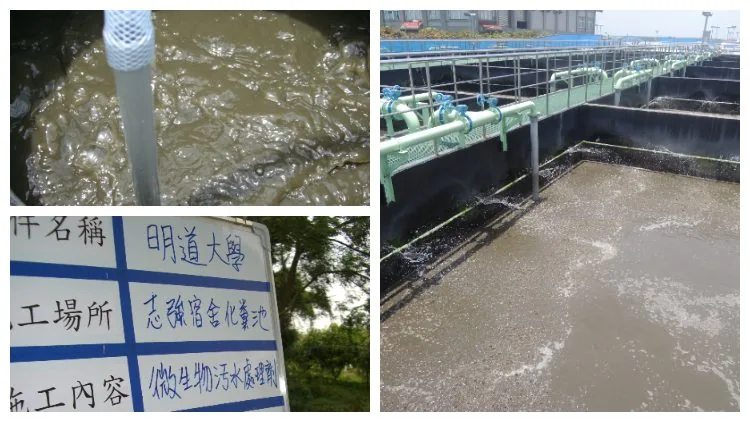
Wastewater and Landfill Site Records
Assessment Items
- Testing Documentation: Review product-specific test documents and site requirements
- Odor-Source Assessment: Identify the odor source and operating conditions before planning use
- Application Planning: Confirm the method from the current product label, system capacity and site conditions
Bar screens, aeration tanks, sludge units and waste-transfer operations may require odor management. Biological Active Water can be evaluated as one part of a site plan; determine performance from the application record, sampling method and monitoring period.
5 Product Specifications & Usage Guidelines
Product Specifications
Product and document information
- Product Name: Biological Active Water
- Product Purpose: Environmental and odor-management assessment
- Product State: Liquid
- Main Components: Multi-microbial communities, active enzymes, water
Product Characteristics
Product and document information
- Odor Characteristics: Odorless
- Product Packaging: 20-liter barrel packaging
- Use Conditions: Confirm from the current product label and site assessment
- Testing Documentation: Confirm scope from the individual report
Storage Usage
Storage and shelf life management
- Shelf Life: Confirm from the current product label
- After-opening period: Confirm from the current product label
- Storage Conditions: Confirm from the current product label
- Safety Reminder: Not for consumption
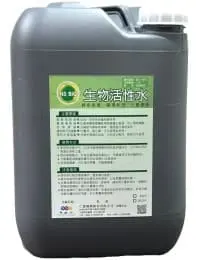
Use and Record Guide
Application Considerations
Confirm use through product labelling, system capacity, site conditions and site assessment.
| Application Scenario | Assessment Focus | Use Planning | Records and Precautions |
|---|---|---|---|
| Drainage Ditch Odor Management | Odor source, drainage condition and equipment | Confirm from the current product label and site plan | Keep clearing, use and odor-observation records |
| Septic Tank Management | Tank size, pumping cycle and odor source | Assess from product labelling and site conditions | Use qualified personnel where system inspection is needed |
| Wastewater System | System design, influent quality and monitoring data | Plan from the engineering plan and product documents | Interpret with sampling, operation and discharge records |
| Kitchen-Waste Management | Waste characteristics, storage and odor source | Confirm from product labelling and the site plan | Record application, maintenance and observation conditions |
Use Reminder
This page does not provide a universal dosage or schedule. Confirm use through the current product label, system capacity, site conditions and site assessment.
6 Technical Data Downloads
Technical Data and Product Documents
Download the Biological Active Water product catalog and related technical documents, including specifications, application records and precautions.
Biological Active Water Product Catalog
Product specifications, application records and precautions
Download PDF CatalogProduct and Site-Information Consultation
Discuss the assessment information needed from product documents, odor-source conditions, equipment details and monitoring records.