
Biological Active Water | Odor Management Records
Case-Based Odor Management
Evaluate odor-source management with site conditions, operating methods and documented observations
Testing Documentation
Interpret each document by its sample, method, date and stated scope; a report is not a general safety or efficacy certificate
Application Assessment
Confirm site scope for landfill, wastewater and food-waste settings through documents and conditions
Review odor-management needs
Technical consultants review odor sources and site conditions, then provide application guidance
New Sun Oversea provides Biological Active Water information for landfill, wastewater-plant and household food-waste odor-management assessments. Evaluate documented results by site conditions, operating methods and monitoring records.
Biological Active Water may be evaluated for odor-management use at landfills, wastewater facilities and food-waste collection sites. Determine suitability and performance from the product scope, site conditions, operating record and monitoring method.
What Information Helps an Odor-Management Assessment?
- Where, when and how often odors occur, together with complaint or observation records.
- The odor source, processing volume, ventilation, drainage and relevant operating conditions.
- Existing cleaning, deodorization or maintenance methods and product-use records.
- Any sampling or test data, including the method, date and comparison conditions.
Table of Contents
1 Odor-Management Product Information and Assessment Principles
Product Information
Information for odor-source management assessment
- Testing documents interpreted by individual report scope
- Composition information confirmed from product documents
- Microbial-product approach
- Site-specific evaluation recommended
Case Observations
Review odor changes with site records
- Review individual cases within their stated scope
- Record odor changes and odor-source conditions
- Set maintenance intervals from operating records
- Do not generalize results across sites
Application Assessment
Confirm suitability from documents and site conditions
- Landfill and food-waste sites
- Wastewater-treatment facilities
- Odor-source management settings
- Site-specific assessment required
What is Biological Active Water?
- Odor-management product information: Product use should be evaluated for the odor source and operating conditions.
- Test Documentation: Interpret any report only for its submitted sample, method and test conditions.
- Product composition information: Product documentation lists microorganisms and enzymes as ingredients of Biological Active Water. Confirm listed ingredients and product conditions through current documents.
- Case Records: Do not generalize individual observations without a defined measurement method and period.
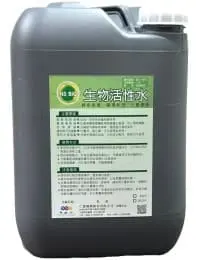
Biological Active Water Usage Methods
- Direct Odor-Management Application (Garbage & Food Waste): Any dilution, area and maintenance interval should follow product documents and site conditions; record the odor source, application method and observation period.
- Space Odor-Management Application (Spray Equipment): Confirm equipment, ventilation, dilution and sampling conditions before use; assess odor changes with a defined method and operating record.
Deodorization Product and Application Information
Technical team provides site-specific application guidance and product information
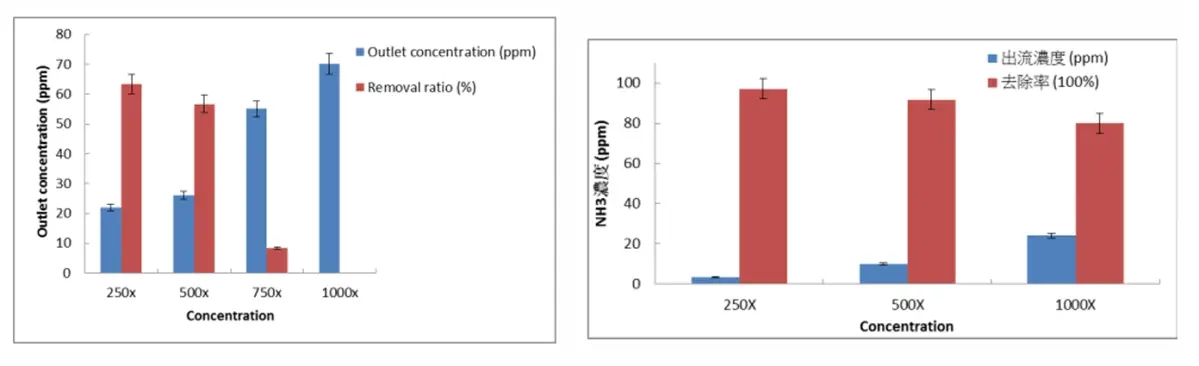
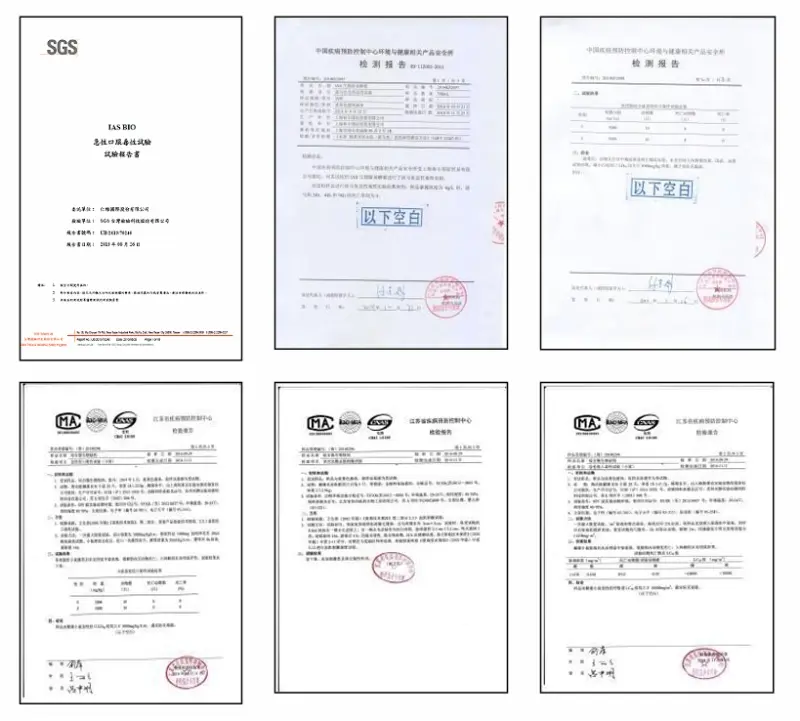
Testing documentation
- Interpret China University of Science and Technology test data through the submitted sample, method and test conditions.
- Do not extend a test result to every site's ammonia, hydrogen sulfide or odor performance.
- Interpret heavy-metal results only for the samples and standards listed in the report.
2 Landfill Deodorization Application
Site Evaluation
Assess odor observations using site conditions, application records, ventilation and maintenance information.
Maintenance Records
Review odor observations over the maintenance period using comparable records
Safety Evaluation
Environmental risk should be evaluated by report scope and site conditions
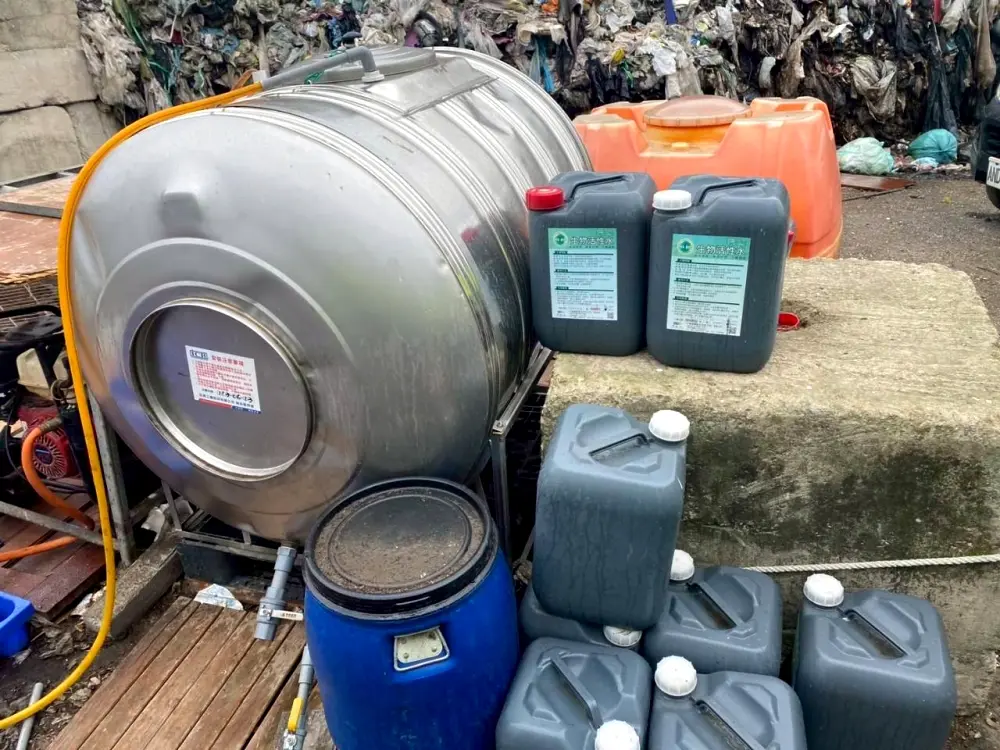
Taking an open landfill in North China as an example, this site processes over 400 truckloads of garbage daily, with long-term odor diffusion.
New Sun team used water cannon trucks to spray diluted Biological Active Water and regularly covered the garbage-pile surfaces. Any odor observation should be assessed using site conditions and documented measurements.
Product Advantages:
- No fragrances; review the current product information for the applicable product scope.
- Use should be evaluated for the odor source, operating conditions and maintenance plan.
- Any complaint-rate observation requires a defined period and comparison basis.
3 Wastewater Plant Deodorization Application
Main Odor Sources
Key wastewater treatment areas
- Screen areas
- Aeration tank units
- Sludge thickening tanks
- Transfer vehicles
Treatment Gases
Main odor components
- Ammonia gas (NH₃)
- Hydrogen sulfide (H₂S)
- Organic acid gases
- Volatile substances
Application assessment
Review odor management with site data
- Record odor observations with a defined method
- Review ventilation and operating conditions
- Interpret test reports only for their submitted samples
- Set maintenance intervals from site records
Common odor sources in wastewater treatment plants include screens, aeration tanks, sludge thickening tanks and other units. These areas emit ammonia, hydrogen sulfide and organic acid gases, which are the main odor sources.
Biological Active Water may be considered for odor-management maintenance in aeration tanks, sludge areas and transfer vehicles. Any change in odor concentration or gas dispersion should be assessed with a defined sampling method, observation period, operating record and product-specific documentation.
4 Food Waste Deodorization Application
Food-waste odor management
Plan use from waste volume, collection frequency and site records
Food-Waste Management
Assess odor management through source conditions, operating records and monitoring data
Multiple Applications
Suitable for restaurants, kitchens, processing plants
Food waste decomposition can release NH₃ and H₂S. Biological Active Water may be considered for odor-management evaluation in restaurants, central kitchens and food-waste processing sites. Confirm results from source conditions, operating records and monitoring data.
Use Planning
This page does not provide a universal dilution rate, application frequency or coverage area. Confirm any use from the current product label, odor source, equipment, site plan and documented monitoring method.
5 Usage Records & Monitoring Data
Deodorization Case Data and Observations
Using case data to describe Biological Active Water application settings and observation methods
Product Usage Track Record
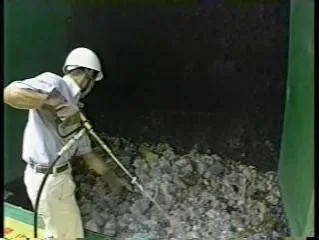
Taipei Market Collection Area
Garbage collection-area deodorization case
Review with site records
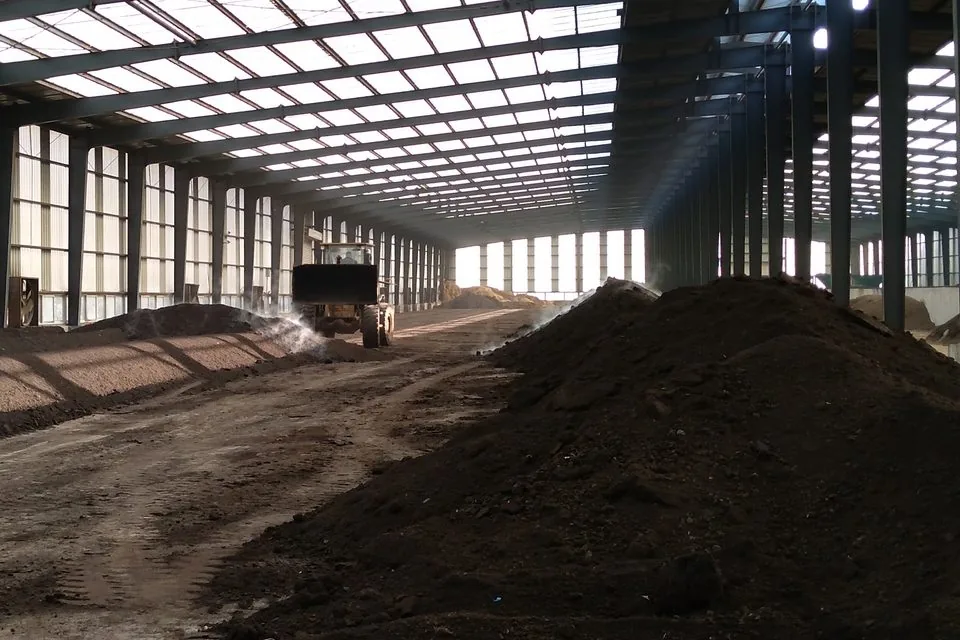
Northern Food Waste Processing Plant
Food-waste processing deodorization case
Review with site records
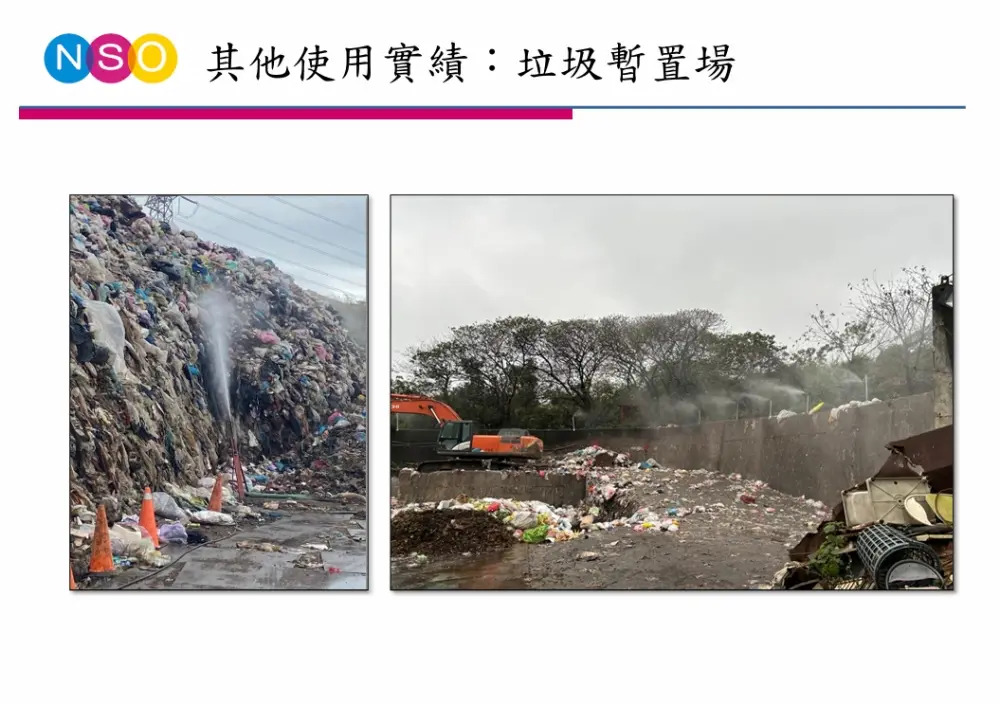
Southern Transfer Station
Transfer-station deodorization case
Review with documented measurements
- Taipei Market Garbage Collection Area: garbage collection-area deodorization case; review with site records.
- Northern Food Waste Processing Plant: food-waste processing deodorization case; review with site records.
- Taichung Central Kitchen: employee observations should be read with the relevant period and conditions.
- Southern Transfer Station: any gas-concentration claim requires a stated method, sampling period and comparison basis.
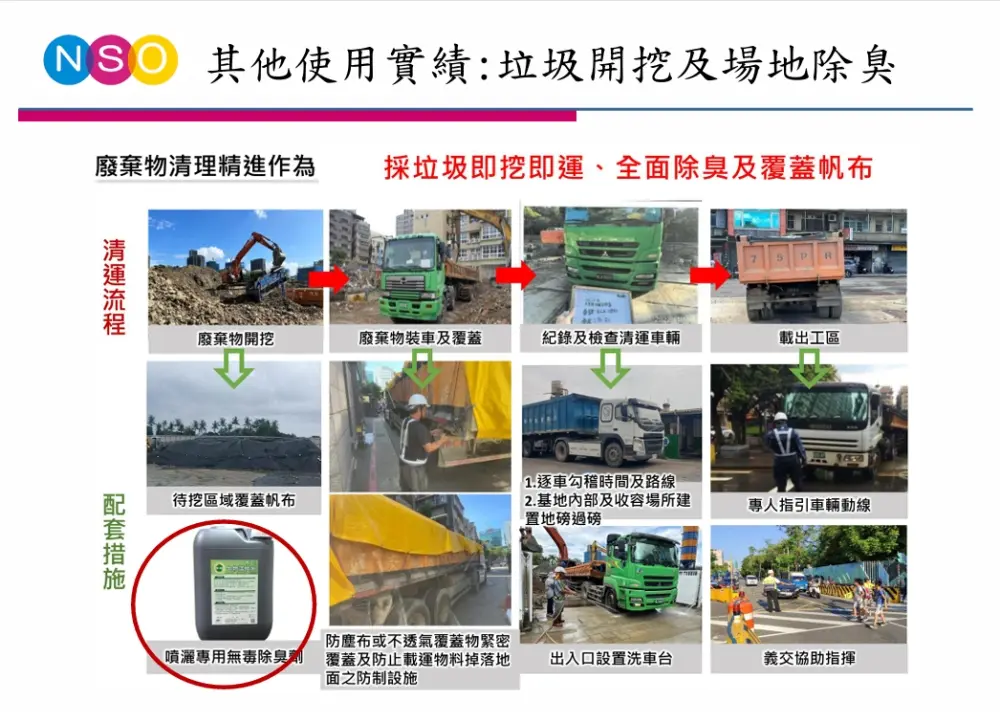
Overall Product Usage Benefits
- Document the odor source, measurement method, period and comparison basis before reporting an odor change.
- Document the definition and period before reporting complaint changes.
- Document the cost calculation and comparison basis before reporting maintenance-cost changes.
- Actual observations depend on site conditions, odor source and maintenance frequency.
"No additional fragrance odor was noticed during use; actual odor changes should be reviewed with site records and monitoring data."
6 Frequently Asked Questions (FAQ)
Technical Answers
Technical team answers product application and technical questions
Application Guidance
Product usage guidance should be read with site conditions, monitoring methods and maintenance records
After-sales support
Guidance on product use, field records and monitoring arrangements
Q1: How is Biological Active Water different from chemical deodorizers?
A: Product composition, intended use and precautions should be confirmed from the current product label and product-specific documents. Comparisons with other materials require a defined method, sample and site record.
Q2: Can it be mixed with other cleaning agents?
A: Confirm compatibility, cleaning requirements and operating sequence from the current product label, equipment instructions and site maintenance plan.
Q3: Is cleaning required after use?
A: Cleaning and post-use steps depend on the product label, equipment instructions, waste characteristics and site maintenance requirements.
Have other technical questions?
Technical team provides product information and application guidance
7 Download Product Documents & Consultation
Product Detailed Catalog
Product information, application records and document-boundary notes
Download Product CatalogApplication Information Consultation
Direct consultation on product information and site conditions
Technical Consultation HotlineNeed an odor-management assessment?
Contact the team to discuss site conditions, operating records and monitoring needs.