
Organic Farming | Product Records and Applicability
Product Registration and Approval Records
Confirm product status and applicability from current product documentation
80-90% Organic Matter
Bio-humus contains high concentration organic matter
Registration-Exempt Plant-Protection Material
Agricultural Active Water No. 2 has a registration-exempt plant-protection material identifier; confirm scope from the product label
Soil Management Information
Provides product and soil-management information for site assessment
New Sun Oversea provides soil-management product information. Confirm each product's scope from its labelling, site conditions and applicable regulations. Eligibility for organic use or subsidies must be confirmed against the competent authority's current notices.
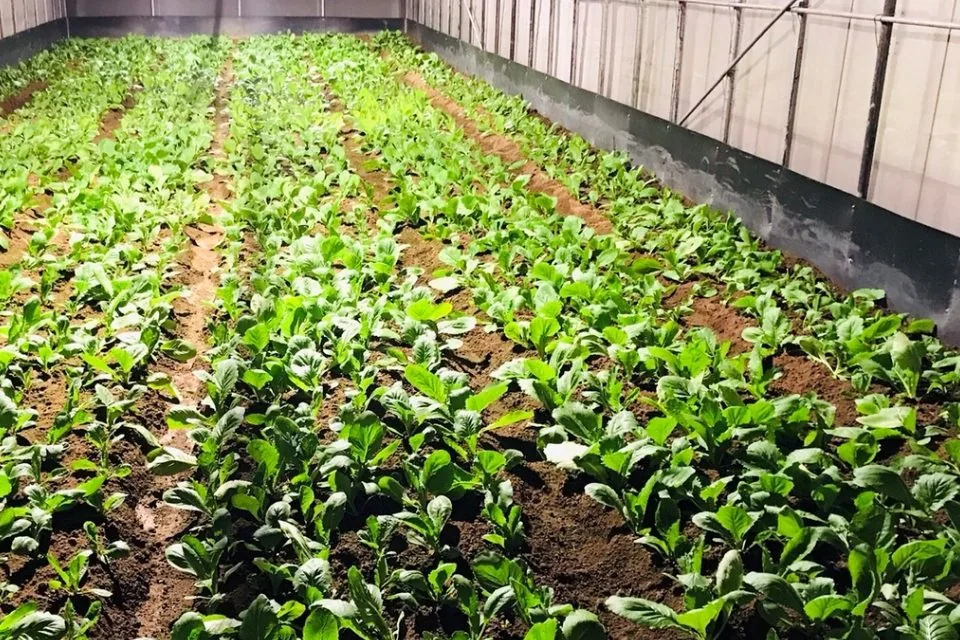
1 Organic agriculture and farming claims
| Farming Type | Certification Requirements | Material Restrictions | Suitable For |
|---|---|---|---|
| Organic Agriculture | Confirm against verification standards and verifier requirements | Confirm permitted substances and restrictions from current authority notices | Determined by production, verification and sales requirements |
| Environmentally Friendly Farming | Managed under the relevant program or production rules | Materials and claims must follow competent-authority requirements | Depends on the site and sales requirements |
| Conventional Farming | No special requirements | Chemical fertilizers and pesticides | Large-scale production, cost-oriented |
What is Organic Agriculture?
Organic agriculture is a legal term. Products and production processes may use the word "organic" only when they meet the applicable requirements. Organic agricultural products must be verified by an accredited verification body under the Ministry of Agriculture. Verification covers the relevant production records, materials and conditions under the applicable standards.
Applicable Standards
Confirm the applicable standards, allowed substances and records through current authority notices.
Verification Records
Verification bodies review production records, materials and conditions under the applicable standards.
Material Use
Confirm material use and crop suitability through current notices, product documents and verification requirements.
How should "toxin-free" claims be assessed?
"Toxin-free cultivation" is not a single, universally applicable product or certification label. Any claim about agricultural labels, residue standards or farming practices must be confirmed against the applicable certification system, competent-authority requirements and test data.
2 Organic verification and farming claims
Before transitioning to organic agriculture, confirm application eligibility, transition arrangements, production environment, permitted substances and inspection requirements with an organic verification body. Crop type, land, irrigation water and materials must be reviewed against current verification standards and individual documents.
Transition Arrangement
Confirm the period and conditions by crop type and verification standard
Production Environment
Confirm soil, irrigation water and management records against verification requirements
Verification Scope
Use organic names and marks only as supported by verification documents
Material Confirmation
Confirm permitted substances and product suitability through authority notices and product documents
"Toxin-free" is not a uniform national verification category, and avoiding one material does not by itself establish crop safety. Organic, environmentally friendly, residue or safety claims require the applicable verification scheme, authority requirements, cultivation records and crop-specific test data.
3 Materials Usable in Organic Agriculture
Permitted substances for organic and transitional organic production must be confirmed through current authority notices, product documents and verifier requirements. A product name or marketing term alone does not establish organic-farming suitability.
Fertilizer Materials
Confirm material categories and use scope through current authority notices and product documents.
Plant-protection Materials
Confirm whether a material and its intended use are allowed through current authority notices and verification requirements.
Field Management
Confirm management measures through the applicable standards, site records and verification requirements.
Lists of allowed materials, verification requirements and subsidy eligibility may change. Confirm the current authority notice, product documents and application requirements before making a production or purchasing decision.
4 Material use outside organic verification
Farming outside organic verification still requires materials to be selected from product labelling, crop needs and plant-protection requirements. Pesticide-residue and safety claims require sampling and testing of the specific crop lot.
Registration-Exempt Plant Protection Materials
Chitosan, neem oil, diatomaceous earth, etc.
Natural Extracts
Large brown algae extracts, citrus essential oils
Traditional Materials
Wood vinegar, bamboo vinegar, tea seed meal
Registration-exempt plant-protection materials are a product-management classification. Their permitted use, precautions and any farming-system eligibility must be determined from the current product label, competent-authority requirements and site conditions; the classification is not a safety or efficacy certification.
5 Characteristics of New Sun Oversea Materials
For soil and crop management, select materials only after reviewing the current label, applicable regulations and field diagnosis. Do not represent a product as organic, residue-free, safe or effective unless the relevant certification or evidence specifically supports that claim.
Agricultural Active Water No. 2
Registration-exempt plant-protection material No. 00256 | Soil and root-zone management
- Suitable For
- Confirm through product labelling, field diagnosis and applicable requirements
- Main Ingredients
- Chitosan through fermentation
- Product Information
- Soil and root-zone management information
- Product Documentation
- Confirm composition and use conditions from current product labelling and records.
Bio-Humus
Fertilizer (quality) word No.0973002|Soil conditioner
- Suitable For
- Confirm through product labelling, field conditions and applicable requirements
- Registered Composition
- Confirm from the current registration certificate and product labelling.
- Process Information
- Confirm process-related information from current product documents.
Enhanced Bio-Humus
Fertilizer (quality) word No.0509027|Organic material review No.110015
- Suitable For
- Confirm organic-farming suitability through approval records, product labelling and verification requirements
- Organic Matter Content
- 90% or more
- Product Form
- Granular, convenient to use
- Site Evaluation
- Confirm crop and site suitability through product labelling, approval records and verification requirements.
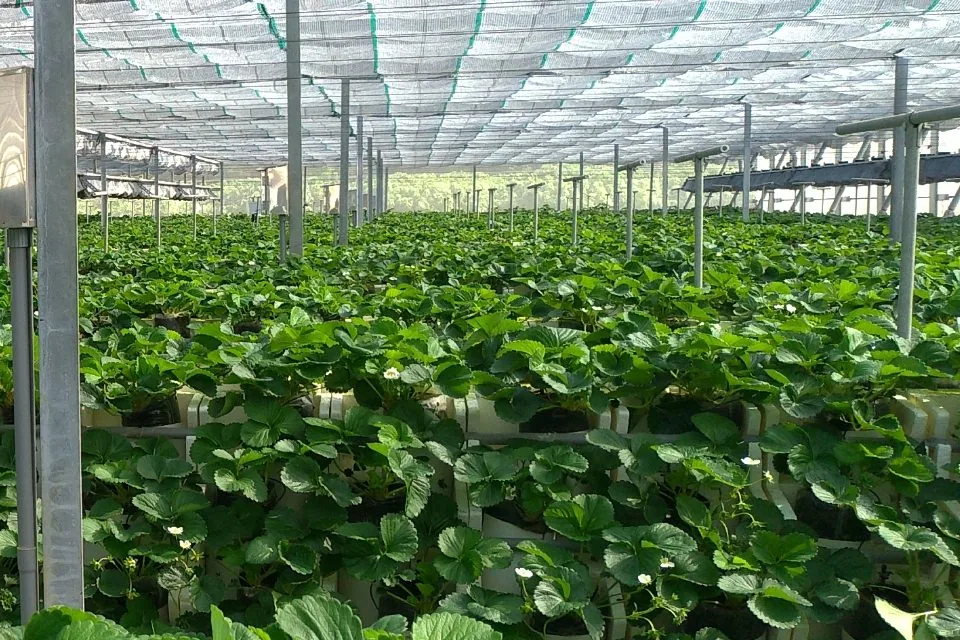
Organic-farming product information
Organic-certified farms, farms in transition and other growers can request product documents, labelling information and guidance on field-use conditions.
Cultivation Planning
Develop specialized plans based on crop types
Material Selection
Help confirm product documents, approval records and applicable requirements
Technical Guidance
Complete application methods and timing recommendations