
Biofilter Enhancement | Wastewater Assessment
Odor Management
Evaluate odor management through source conditions, system operation and monitoring records
COD monitoring
Evaluate organic-pollutant concentrations through influent and effluent sampling
Ammonia Management
For evaluating ammonia treatment and system operation
System Compatibility
Confirm modification needs from the existing system and site plan
New Sun Oversea provides biofilter enhancement information for evaluating COD, SS, ammonia and odor management in domestic and food-process wastewater. Plan aeration-tank, final-sedimentation-tank and septic-tank work using the existing equipment, operating conditions and applicable discharge requirements. The page does not promise compliance or eliminate equipment changes.
Is your wastewater treatment system experiencing poor treatment efficiency, odor problems, non-compliant discharge? These conditions may relate to system design, loading, operation, sludge or microbial status. New Sun Oversea Biological Active Water may be considered only after reviewing the product label, system data and applicable requirements; it does not replace diagnosis or compliance verification.
🌊 Biological Active Water
Contains a comprehensive microbial community; assess whether it fits wastewater-system management using water-quality, operating and maintenance records.
Product Details🧫 Bio-Reactor
When used with Biological Active Water, assess wastewater-treatment management needs using system design, operating conditions and monitoring records.
Product Details1 Wastewater Treatment System Assessment
New Sun Oversea provides wastewater-management product information and records applications involving biofilter systems and odor-source management. Biological Active Water is described in NS BIO product documents for environmental applications; confirm composition and use through current documents and site conditions.
Environmental Conditions
Confirm temperature data through current product documents; aerobic and anaerobic conditions require separate assessment
Organic-Matter Management
Review organic pollutants and COD changes using defined sampling and operating records
Odor monitoring
Review ammonia, hydrogen sulfide and other measurements using site-specific sampling
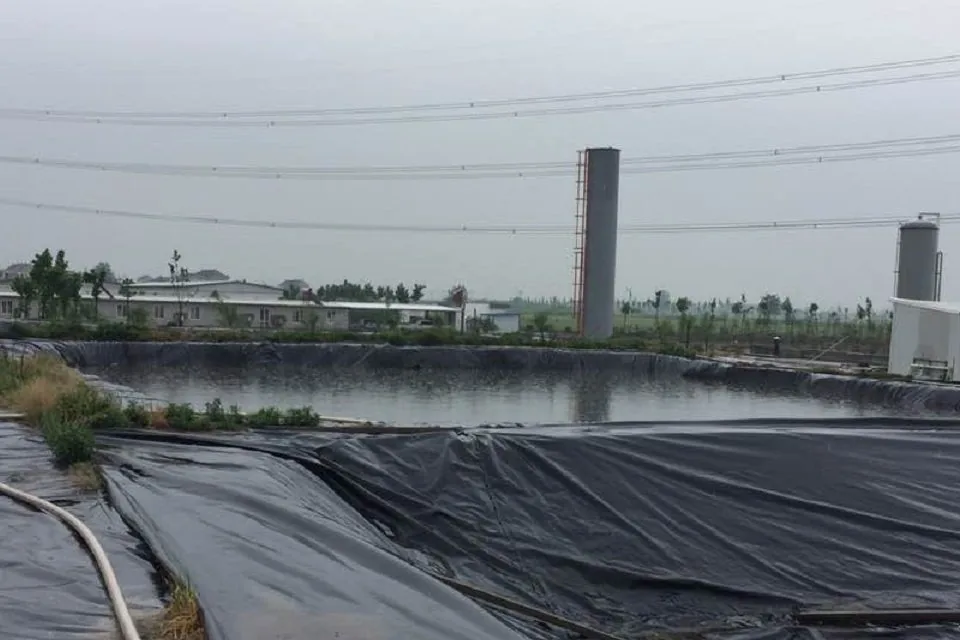
Since 2012, we have continuously developed bioreactor and biological carrier products. Service cases cover domestic wastewater treatment plants, water resource recovery centers, star-rated hotels, livestock farms and food factories; actual application settings and treatment performance should be interpreted from system data, operating records and formal reports.
2 Importance of Microorganisms in Wastewater Treatment
Microorganisms are an important part of secondary wastewater treatment. Manage COD, SS and ammonia through system design, operating records, sampling results and applicable discharge requirements.
| Treatment Problem | Traditional Method | New Sun Oversea Application Record |
|---|---|---|
| Odor Problem | Review odor source, equipment and maintenance conditions | Assess product information with sampling and site records |
| COD Exceedance | Plan from water-quality data and system conditions | Interpret results from defined sampling, operating periods and source data |
| Ammonia Nitrogen Removal | Assess system design and water-quality data | Assess microbial-management needs from monitoring records |
| System Startup | Startup requirements vary by system | Assess operation through system inspection and monitoring data |
Primary wastewater treatment involves physical separation of solid impurities and oils; secondary treatment involves microbial processing of organic pollutants. Anaerobic and aerobic conditions, loading and equipment design affect treatment observations and should be reviewed through water-quality tests and operating records.
Odor or discharge-water issues can be related to design, loading, operation, sludge or microbial conditions. New Sun Oversea Biological Active Water may be included in a site assessment, but methods and treatment performance must be determined from system inspection, monitoring data and applicable requirements.
3 Biofilter Applications in Large Wastewater Treatment Systems
Large wastewater treatment systems (over 100 CMD daily) include grit chambers, anaerobic tanks, aerobic tanks and final sedimentation tanks. Whether Biological Active Water is suitable at any stage should be assessed from system inspection, water-quality data, product labelling and operating conditions.
Biofilter Enhancement Process
- System current status diagnosis and water quality analysis
- Review product documents, operating conditions and site records
- Assess whether Biological Active Water is suitable to include in site management and record conditions
- Combine with a bioreactor and record operating conditions
- Regular monitoring of water quality and effect evaluation
- Review monitoring data and update management records as needed
After input into grit chambers, microorganisms and tank conditions may interact. When used with bioreactors, assess microbial and equipment-management changes using water-quality, sludge, SS, COD and ammonia monitoring data.
Startup periods and treatment performance vary with system design, loading, operation and monitoring results. Assess any microbial-product use with the existing system and documented operating data.
Application ratios vary by industry depending on wastewater characteristics. Contact us to discuss wastewater-system assessment and input information.
4 What to Do If Grease Interceptor Smells Bad?
First, oil-water separation tanks should be skimmed daily to remove floating oil and food residues. Whether to use Biological Active Water should be assessed from the product label, odor source, site conditions and operating records.
Daily Maintenance
Daily skimming of floating oil and food residues
Odor Management
Assess use from grease-interceptor conditions, product labelling and maintenance records
Pipeline Cleaning
Remove oil accumulation on drainage pipe walls
Grease interceptors that receive food residue and detergents require regular cleaning and skimming. Where odor remains, review cleaning frequency, drainage conditions, loading and the operation record. Biological Active Water may be included in a site-specific maintenance plan; odor observations should be assessed over a documented period.
5 Septic Tank and Sewer Pipe Treatment
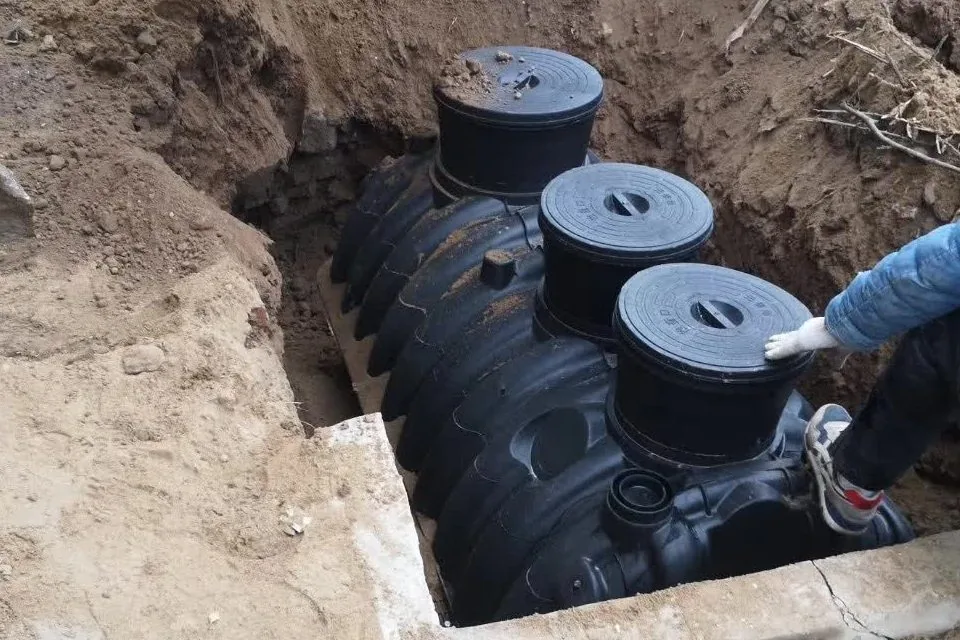
Septic-tank odor and poor drainage can have several causes, including detergents, inflow volume, pumping intervals, residue, debris or pipeline design. Confirm the odor source and system condition before selecting a maintenance measure.
Microbial Observations
Assess tank conditions, cleaning intervals and maintenance records
Fecal-Residue Records
Record hardened residue, pipeline conditions and cleaning activities
Odor Observations
Interpret observations through a defined method, period and maintenance record
Septic-tank conditions can be affected by detergents, fragrances, inflow volume and cleaning intervals. Whether Biological Active Water is suitable should be confirmed from the product label, tank size, odor source and site conditions. Review fecal-residue condition, odor observations and maintenance records; do not treat the product information as a guarantee of decomposition or deodorization.
For hardened residues or a blocked sewer pipe, have qualified personnel inspect the pipe and choose an appropriate cleaning method. This page does not establish a fixed dose, standing time or pipe-clearing result.
Wastewater System Assessment
Hotels, restaurants, factories and community buildings can contact the team to discuss wastewater-system conditions, monitoring data and product information.
Site Assessment
Initial review of site and water-quality information
Assessment Plan
Discuss next steps based on site data
Operating Information
Product and record-keeping information