
Grassland and Soil Observation Records | NS BIO
Vegetation Observation
Interpret coverage change through controls, sample size and measurement methods
Case Monitoring
Interpret stem and leaf dry weight using controls, sample size and measurement methods
Root Data
Interpret root dry weight using controls, sample size and measurement methods
Soil Data
Interpret soil organic-matter change using sampling periods and test methods
New Sun Oversea provides case information for dryland, degraded and saline-alkali sites. The material and construction plan should be reviewed through site investigation, current product documents and applicable requirements; vegetation and soil observations should be interpreted from documented methods.
For Taiwan crop, continuous-cropping or root-zone management concerns, see Saline Soil, Continuous Cropping and Root-Zone Management. This page focuses on dryland, degraded-site and grassland soil observation records.
Dryland grassland projects often involve soil, water, vegetation and maintenance constraints. Review these factors through site investigation and project records before selecting materials or methods.
New Sun Oversea provides case information for dryland and saline-alkali restoration assessment. Any material selection or construction method must be confirmed from site investigation, the construction plan, current product documents and applicable requirements.
1 Site-observation context
This page presents site records from dry, degraded and saline-alkali locations. Review soil structure, water conditions, local plant selection and the documented observation method before preparing a site plan.
Site planning should also consider invasive species and potential effects on local groundwater resources.
2 Characteristics of New Sun Oversea Restoration Methods
This page describes case records and planning considerations for grassland and soil observation. It does not establish a universal method or outcome.
Site Investigation
Review soil, water, vegetation and construction constraints
Material Review
Confirm materials against the construction plan and local requirements
Budget Planning
Plan according to budget, construction conditions and maintenance needs
Follow-up Records
Track site changes through vegetation, soil and maintenance records
Material selection should be confirmed from the construction plan, soil data, seed source, regulatory requirements and maintenance conditions. This page does not describe any material as a universal substitute for other restoration measures.
Whether microbial materials, fertilizers or other inputs are used should be decided through site investigation, construction design and follow-up monitoring. Interpret cost and vegetation changes through complete case records and defined measurements.
3 Inner Mongolia Site Observation Records
New Sun Oversea grassland case work is organized into four phases: (1) Preliminary investigation and environmental assessment (2) Site planning and material selection (3) On-site implementation (4) Results tracking and review.
Four-phase observation and planning record
- Preliminary Investigation and Environmental Assessment
- Site Planning and Material Selection
- On-site Implementation and Resource Records
- Results Tracking and Record Review
| Test Item | New Sun Oversea Restoration Area | Control Group Area | Observed Difference |
|---|---|---|---|
| Vegetation Coverage | Interpret through the case control, sample size, measurement period and method. | ||
| Plant Dry Weight | Interpret through the case sampling method, sample size and original records. | ||
| Soil Organic Matter | Interpret through sampling location, test method, period and original report. | ||
| Soil Bulk Density | Interpret through sampling location, test method, period and original report. | ||
Since 2018, the records document site assessment near Hulunbuir City in the Inner Mongolia Autonomous Region. The local area has a temperate continental climate with rainfall concentrated from May to August. Scheduling should be confirmed through site conditions and the documented plan.
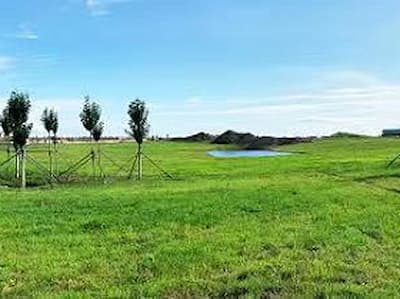
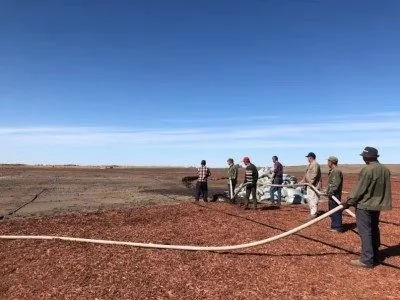
Before the case work began, the team reviewed surface preparation, soil condition, drilling and drainage. Seed treatment, soaking periods and follow-up management must be adjusted to the site, seed source and construction plan; observations from one case do not guarantee germination, disease resistance or restoration outcomes.
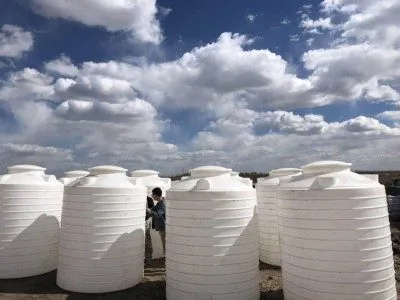
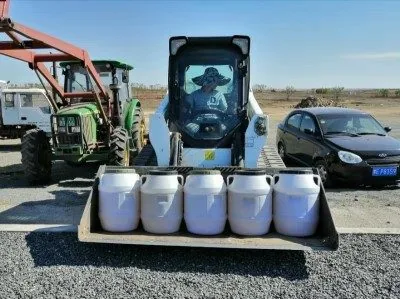
After hydroseeding, the case record followed vegetation and land-moisture observations and arranged maintenance under the construction plan. Vegetation establishment, drought tolerance and erosion are affected by seed source, rainfall, soil and maintenance conditions and are not guaranteed by this page.
Site images from 2019 record vegetation conditions before and after the rainy season. A comparison between a restoration area and a control area requires the control design, sample size, measurement period, method and original report; this page does not infer a general difference or outcome from the images.
4 Saline-Alkali Site Assessment
Assess saline-alkali sites by conditions such as coastal or inland location. Review salt washing, drainage, seawater infiltration, hydrology and soil data before planning.
Coastal Saline-Alkali Land
Mainly sodium chloride, requires salt washing, drainage and preventing seawater infiltration
Inland Saline-Alkali Land
Assess salt composition and soil structure through test data
Soil-condition Review
Confirm soil data and drainage conditions through site assessment
Salt-management Review
Plan salt management from the construction plan and monitoring records
For saline-alkali land, drainage, salt management, soil conditions and plant selection should be determined through site assessment and the construction plan. Product use and observed changes must be reviewed with comparable site records; this page does not establish a guaranteed mechanism or restoration result.
Inland saline-alkali sites may have different salt compositions and water conditions. Select materials and plants from site data, the construction plan and applicable requirements; assess any observed change through comparable records and defined measurements.
5 Related Product Information
Biological Active Water
Product information for odor-source and environmental-management assessment
Product DetailsEnhanced Bio-Humus
Confirm product composition and applicable scope from current documents
Product DetailsSite Planning
Confirm any restoration material and method from site data and the construction plan
Technical ConsultationGrassland Site Assessment Consultation
For dryland or saline-alkali site questions, provide site information so we can discuss observation records and a soil-management assessment direction.
Site Assessment
Review site conditions and available soil data
Planning From Site Data
Discuss material and construction planning requirements
Record Review
Review construction and follow-up observation records