
Enhanced Bio-Humus | Soil Management and Product Records
Product Registration and Approval Records
Fertilizer Registration Certificate No. 0509027 and approval record No. 110015
Composition records
Confirm the 90% organic-matter value through product registration documents
Field management
May be considered in soil-management plans for tea gardens and cabbage fields
Government Subsidies
Eligibility is subject to current authority notices
Product registration and approval information
Fertilizer Registration Certificate No. 0509027|Organic Material Approval No. 110015
When products are used together, follow both labels and assess the field conditions.
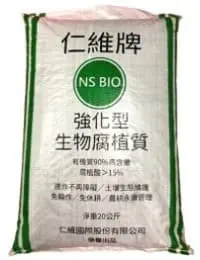
Product Core Value
Enhanced Bio-Humus is a New Sun Oversea organic fertilizer. Confirm its composition, approval status, crop scope and use conditions through the registration documents and product labelling. Tea-tree or cabbage diseases require separate diagnosis and management.
Enhanced Bio-Humus is an organic agricultural material. Review its composition, suitability and use conditions against product labelling, registration records and site needs. Crop disease, root-zone and cultivation issues require separate field diagnosis and management.
1 Product Introduction and Information Scope
Product Registration and Applicability
Product approval and registration records
- Registration and approval record numbers
- Organic-farming scope subject to current documents
- Subsidy eligibility subject to current notices
- Use according to site conditions
Product process
Microbial fermentation process
- Microbial communities
- Fermentation process
- Organic matter
- Biological humic acid
Registered composition
Confirm values through product documents
- 90% organic matter
- Registered NPK values
- Humic-acid information
- Other listed components
What is Enhanced Bio-Humus?
Enhanced Bio-Humus is an organic fertilizer developed by New Sun Oversea and processed from Bio-Humus. Product composition, permitted uses and application conditions should be confirmed through the product labelling and relevant registration records.
How Does It Differ from Bio-Humus?
Bio-Humus and Enhanced Bio-Humus are different products. Their registration numbers, composition fields, approval records and applicable conditions may differ. Check the current label and formal documents for each product rather than applying one product's information to the other.
Product and Soil Information
Soil-Condition Records
Review soil structure, aeration, water retention and fertilizer data through field records
Microbial Information
Review product composition and soil-microbial observations through documents and sampling
Nutrient Records
Review listed NPK and other components through current product documents
Field management
Use within a diagnosed plan for continuous-cropping and root-zone concerns
Use and evaluation
Plan product use from the label, field conditions and crop needs, and retain application and observation records:
- Record other fertilizer and material inputs
- Track soil data by growing period
- Confirm food safety through crop-specific testing and applicable requirements
- Confirm subsidy eligibility through current authority notices
2 Crop and Site Information
Crop and site information
The following crops and sites may be included in a management plan. Confirm suitability through product labelling and field conditions.
Tea-garden management
Review soil and root-zone conditions
- Tea-tree growth observations
- High-mountain site conditions
- Soil texture and drainage
- Root observations and field records
Cabbage-field management
Review soil and root-zone conditions
- High-mountain cabbage planting
- Root symptoms require diagnosis
- Nematode status requires field assessment
- Plan continuous-cropping management by season
External Aquaculture Materials
White shrimp methods and clam or mixed-culture application materials are external content provided by New Sun Technology.
Crop and Site Information
Crop and Site Categories for Review
- Short-term crops: Soil records for high-mountain cabbage, green onions, Chinese cabbage and other short-term crops
- Long-term crops: Field records for tea trees, fruit trees, mulberry trees and other perennial crops
- Specialty crops: Product-use information for flowers, foliage plants, mushrooms and other crops
- External aquaculture materials: New Sun Technology white shrimp method, clam and mixed-culture application materials
Product Information
Product Information
- Microbial information: Review multi-strain microbial components and soil observations through product documents and sampling records
- Organic matter content: 90% organic matter, as stated in the current product record
- Product form: Confirm raw materials, additives and product form through current documents
- Organic-farming scope and subsidy eligibility: Confirm from product labelling and current authority notices
3 Product Specifications and Usage Guide
Product Specifications
Detailed technical parameters
- Registered Name: New Sun Brand Enhanced Bio-Humus
- Product State: Solid granular
- Product Packaging: 20kg bag
- Storage Conditions: Dry and cool place
Composition Analysis
Nutritional composition
- Organic Matter: 90.0%
- Total Nitrogen: 4.0%
- Total Phosphorus Pentoxide: 3.0%
- Total Potassium Oxide: 1.5%
- Humic Acid: 15%
Product Documentation
Confirm current status from formal documents
- Fertilizer Registration Certificate No. 0509027
- Organic Material Approval No. 110015
- Confirm organic-farming use from product labelling
- Confirm subsidy eligibility from current authority notices
Use and Record Reference
This page does not provide a universal rate, timing or crop-specific plan. Before use, confirm the current product label, fertilizer registration information, crop and soil conditions, and retain input, date, field-management and necessary test records.
4 Tea-garden soil and root-zone management
Tea-garden assessment
Review root condition, drainage, soil data and cultivation records before selecting management measures.
Main Causes of Tea Tree Weakness
Common Weakness Factors
- Pest and Disease Impact: Root diseases, leaf pests causing growth obstruction
- Mechanical Damage: Root and stem injuries affecting nutrient transport
- Seedling Problems: Container seedlings grown too long without transplanting, old roots not pruned
- Soil Degradation: Poor soil quality in planting area, nutrient imbalance
Soil-management considerations
Enhanced Bio-Humus may be considered within a broader plan that reviews physical, chemical and biological soil data:
Physical Records
Record soil structure, permeability, aeration and root conditions
Chemical Records
Assess soil pH and nutrient management from testing and registered composition
Biological Records
Assess product composition and soil-microbial observations through sampling and field records
High-mountain tea-area records
Site-specific service
Records from Ren'ai Township should be interpreted using the field conditions, soil data, product-use record and observation period:
- Temperature: Record seasonal and high-mountain conditions
- Soil pH: Confirm changes through a stated test method
- Product use: Follow the label and crop-management plan
- Outcome review: Use comparable records rather than general claims
5 Cabbage root-zone and soil management
Root symptoms and field assessment
Confirm the cause and field conditions before choosing soil or plant-protection measures.
Management Strategy
Before spring, powdered Bio-Humus and Agricultural Active Water No. 2 may be considered according to their labels and the soil conditions. Their use does not establish prevention of root gall disease or nematodes; diagnosed pest and disease issues require applicable management.
Management Considerations
Plan according to diagnosis and applicable requirements
- Review soil conditions before planting
- Assess nematode and disease concerns through diagnosis
- Document material use and field conditions
- Use disinfection or plant-protection measures only when applicable
Management Options
Review measures for the diagnosed situation
- Review fertilizer use during top dressing
- Document product and soil conditions
- Assess the root environment through field records
- Review nutrient data against the registered composition
High Mountain Cabbage Field Records
High-mountain field planning
Review fertilizer inputs, soil data and crop records before adding a soil-management product:
- Fertilizer records: Record existing inputs and crop needs
- Soil observations: Compare data by growing period
- Product form: Follow handling and application instructions
- Site conditions: Confirm suitability for the specific field
6 Technical Data Download
Product Documents
Download the Enhanced Bio-Humus product catalog, including product specifications, usage reference and precautions
Enhanced Bio-Humus Product Catalog
Product specifications, usage reference and precautions
Download PDF CatalogTechnical service scope
The team can review product information and field-management needs:
- Tea gardens: Review roots, drainage and soil conditions
- Vegetable fields: Plan root-zone and continuous-cropping management after diagnosis
- Soil management: Evaluate changes using tests and field records
- Technical guidance: Discuss product use and record keeping
Technical Support
Our agricultural technology team reviews soil, crop and product information, then discusses applicable management records.