
Oil Clean | TPH-Contaminated Soil Site Assessment
TPH site assessment
Confirm treatment suitability through contaminant data, soil conditions and trial results
Product Information
Review petroleum-hydrocarbon data through site records and testing
Monitoring Plan
Establish treatment records and review microbial and oil-related observations over the project period
Site Scope
Review gas-station, petrochemical-plant and industrial-area records
Product Core Value
Oil Clean provides product information for oil-contaminated-soil bioremediation assessment. Confirm suitability, construction conditions and monitoring requirements through product documents, contamination data, site conditions and applicable requirements.
Oil Clean provides product information for oil-contaminated-soil bioremediation assessment. Confirm suitability, construction conditions and monitoring requirements through product documents, contamination data, site conditions and applicable requirements.
Detailed Content Directory
1 Product Introduction & Application Areas
Gas Station Pollution
Petroleum product leakage site assessment
- Gasoline diesel leakage
- Underground storage tank contamination
- Fuel dispenser area pollution
- Pipeline leakage records
Industrial Area Site Assessment
Review industrial oil-pollution conditions
- Petrochemical plant pollution
- Machinery maintenance facilities
- Lubricating oil leakage
- Heavy oil contamination records
Special-Site Assessment
Review special-site oil-pollution conditions
- Port and dock pollution
- Ship oil spill records
- Airport oil pollution
- Traffic accident spill records
What is Oil Clean?
Oil Clean is presented by New Sun Oversea as product information for oil-contaminated-soil site assessment. Its listed materials include actinomycetes and their metabolites. For gasoline, diesel, lubricating oil or other petroleum contamination, assess suitability from the product documents, TPH data, site conditions and treatment records.
Product Information and Site Assessment
Product and Site Information
Oil Clean product information may be reviewed together with site-management records. Any petroleum-hydrocarbon change must be confirmed by the formal plan and before-and-after testing:
- Listed Materials: Product materials describe actinomycetes-related microbial resources
- Site Management: Review site conditions and the application method in the formal plan
- Construction Records: Keep sampling, construction and monitoring records
- Site Evaluation: Confirm results through before-and-after testing
Application Areas
Surface Oil Pollution Assessment
Review surface oil-pollution conditions in industrial areas, gas-station spills and traffic accidents
Soil Oil Pollution Site Assessment
Review contaminated-soil conditions and site records
Groundwater Site Assessment
Review groundwater oil-pollution data and site conditions
Emergency Pollution Records
Review ship-oil-spill and industrial-accident records
2 Technical Advantages & Treatment Methods
Site-Assessment Considerations
Compare management options through site data, formal plans, monitoring methods and applicable requirements.
Treatment planning
Evaluate the process through site data
- Review microbial-treatment conditions
- Monitor contaminant concentrations
- Record operating adjustments
- Determine duration from test results
Environmental Assessment
Results depend on testing and site conditions
- Before-and-after testing is required
- Biological treatment approach
- Site-specific environmental evaluation
- Applicable standards should be confirmed
Construction Records
Carry out site work under the formal plan
- Confirm current product documents
- Prepare the site as required by the plan
- Follow the approved construction method
- Keep maintenance and monitoring records
Treatment Process
Site Treatment Process
- Preparation: Confirm the site, sampling basis and construction plan before work begins
- Construction Planning: Confirm whether to use additional materials and the applicable conditions through the formal plan
- Application: Carry out site work in accordance with the approved construction plan
- Monitoring: Keep maintenance and monitoring records for review
Two-Stage Treatment Technology
| Treatment Stage | Treatment Target | Technical Features | Applicable Oil Products |
|---|---|---|---|
| First Stage | Small-molecule oil contamination | Plan treatment from sampling and testing records | Gasoline, diesel, etc. |
| Second Stage | Heavy-oil contamination | Assess conditions through contaminant characteristics and the construction plan | Heavy oil, lubricating oil, etc. |
Construction Plan Confirmation
Site Management Reference
- Contamination Review: Confirm contaminant type, extent and sampling method
- Construction Design: Confirm dosage, frequency and material combinations through the case plan
- Environmental Conditions: Adjust aeration, drainage and moisture according to field measurements
- Professional Monitoring: Review the strategy against formal monitoring records
3 Product Specifications & Usage Guidelines
Product Specifications
Product and document information
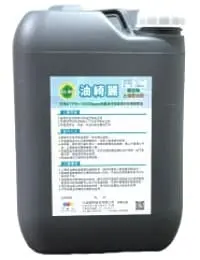
- Product Name: Oil Clean
- Product Purpose: Oil-contaminated-soil site-assessment information
- Product State: Liquid
- Main Components: Actinomycetes groups, metabolites, water
Site Conditions
Assess temperature, salinity, moisture, aeration and contaminant conditions through the site plan and monitoring records.
Important Reminders
Usage precautions
- Confirm soil moisture conditions through site assessment and the construction plan
- Confirm material compatibility through the formal plan
- Confirm the required interval after other treatments through the formal plan
- Professional guidance recommended
Usage Guidelines
Key Usage Points
- Soil Moisture: Adjust through field measurements, contaminant characteristics and the construction plan
- Contamination Assessment: Review contaminant type and concentration through the site assessment
- Construction Adjustment: Confirm follow-up work through monitoring data and professional judgment
- Material Compatibility: Confirm combined use and intervals for other materials through the formal plan
- Change Management: Keep construction and monitoring records for any dosage or frequency change
Professional Monitoring Recommendations
For site assessment, establish complete monitoring and maintenance records:
- Test soil TPH changes using an appropriate method
- Document applicable construction and site conditions
- Record moisture and aeration observations
- Keep remediation progress and sampling records
- Review any strategy changes against formal records
4 Technical Data Downloads
Technical Data
Download Oil Clean product information and document-boundary notes for site assessment.
Oil Clean Product Catalog
Product information, site-assessment notes and document boundaries
Download PDF CatalogTechnical Support
Our environmental engineering team reviews oil-contaminated soil information, site conditions and technical records.
Site Assessment Consultation
For gas station pollution, industrial areas and special sites, we can review site information and discuss assessment steps.
- Gas Stations: Petroleum product leakage, storage tank contamination, pipeline issues
- Industrial Areas: Petrochemical plants, machinery facilities, lubricating oil pollution
- Special Sites: Ports, airports, traffic accident sites
- Emergency Treatment: Ship oil spills, industrial accident emergencies