
Saline Soil and Root-Zone Management | NS BIO
Soil Management Support
Supports assessment of continuous-cropping concerns through soil, root-zone and field management
Disease and Nematode Management
Assess ginger soft rot, nematodes and related concerns through field diagnosis, product labelling and integrated management.
Soil and crop records
Review soil, root development, crop yield and quality through comparable records
Review crop and soil conditions
Agricultural advisers review soil, crop and site data, then provide management information
New Sun Oversea provides soil-management information based on NS BIO microbial technology. Crop disease and nematode management should be assessed with field diagnosis, hygiene, crop rotation, product labelling and applicable regulatory requirements.
High-value crops such as ginger may face continuous-cropping concerns, soft rot and nematodes at the same time. New Sun Oversea provides information on Agricultural Active Water No. 2 and Enhanced Bio-Humus as soil-management products. Suitability and results depend on the crop, site conditions and product labelling.
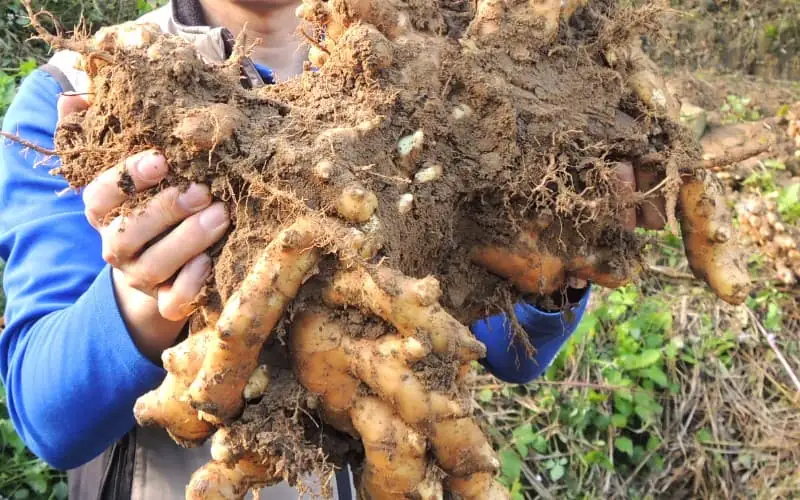
1 Soil Continuous-Cropping Management
Soil Problem Diagnosis
Professional analysis of soil continuous cropping obstacle causes
- Soil fertility deficiency analysis
- Soil pH testing
- Microbial diversity assessment
- Pathogen content detection
NS BIO product information
Review soil and root-zone management with field records
- Record soil microbial observations
- Review soil aggregation and structure
- Assess the plant rhizosphere through field data
- Address pathogen concerns through diagnosis and applicable measures
Field records
Review observations by plot and growing period
- Record rotation and fallow arrangements
- Record crop yield using a stated method
- Compare soil data over time
- Confirm pesticide use from application records
What are Soil Continuous Cropping Obstacles?
Soil conditions can vary with crop history, organic-matter inputs, irrigation, drainage, weather and cultivation practices. Review any soil-management plan through field tests, crop records, product labelling and applicable requirements.
What Is Saline Soil and How Should It Be Assessed?
Saline soil describes a site where salt or alkaline conditions may affect crop growth. Determine whether salinity, alkalinity or another soil issue is involved through electrical conductivity, pH, irrigation water, drainage, soil texture and crop records.
Before planning saline-soil management, collect soil and irrigation-water tests, crop and growing-period information, drainage conditions, fertilizer records and field observations. Review any product use against its label and the documented site conditions.
For dryland, degraded or grassland-restoration case information involving saline-alkali sites, see Dryland Grassland Restoration and Saline Soil Management Cases.
Are Your Soils Experiencing These Problems?
Soil testing and management information based on field data
Field records may include the following assessment items:
- Soil fertility and nutrient data
- Soil pH and electrical conductivity
- Soil structure and water-management observations
- Irrigation, drainage and weather records
- Crop history and cultivation records
Repeated planting can change soil conditions. When planning soil and root-zone management, assess crop history, soil tests, cultivation practices and the applicable product documentation together.
New Sun Oversea provides soil-management product information. Pathogens, nematodes and continuous-cropping concerns should be assessed through field diagnosis, product labelling, applicable requirements and integrated management practices.
Continuous-Cropping Management Principles
New Sun Oversea provides soil-management information based on NS BIO microbial technology. Product suitability and field results depend on diagnosis, product labelling, crop conditions and site factors.
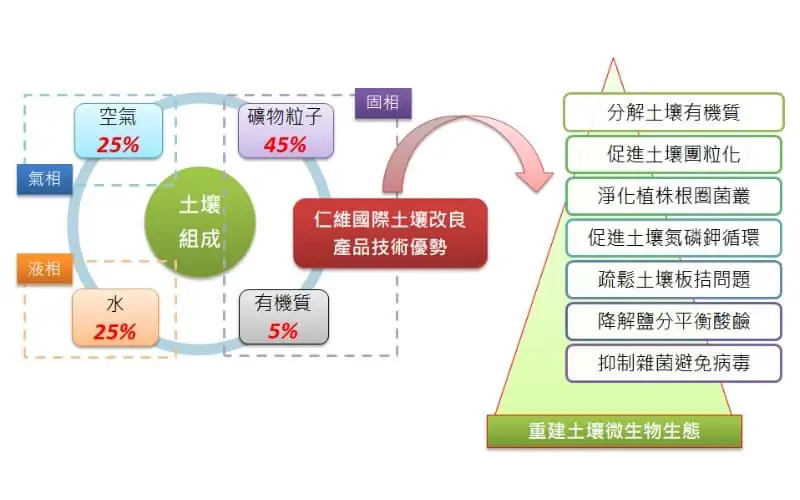
New Sun Oversea provides soil-management product information. Interpret the following items through product labelling, soil tests and field records:
- Organic-matter decomposition should be assessed with soil data
- Review aggregation and structure through field records
- Assess rhizosphere conditions through sampling and observation
- Review nitrogen, phosphorus and potassium through soil testing
- Assess compaction through field observation and measurement
- Review salinity and pH through soil analysis
- Address pathogen and virus concerns through diagnosis and applicable measures
New Sun Oversea provides Agricultural Active Water No. 2, a registration-exempt plant-protection material listed for soil and root-zone management information. Confirm its scope, precautions and use from the product label, field diagnosis and applicable requirements. Crop observations should be recorded rather than guaranteed from the product description.
Purchase Professional Soil Improvement Products Now
Online store:
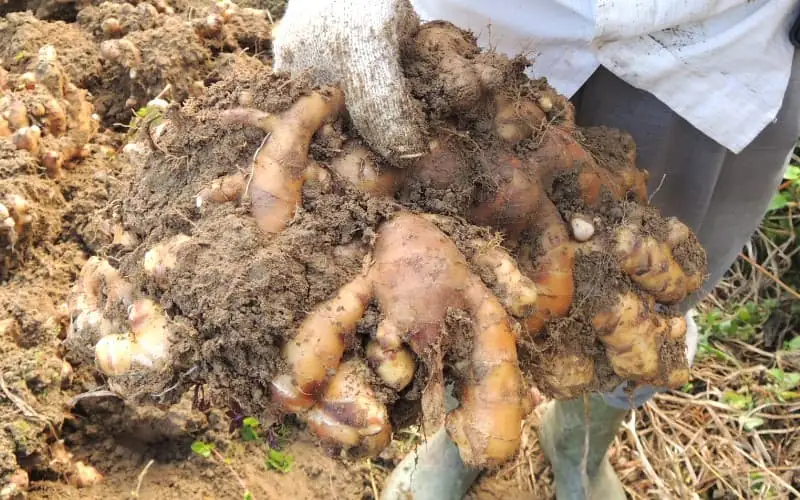
2 Ginger Soft Rot and Nematode Management
Field Diagnosis
Assess pathogen and nematode concerns through field diagnosis and applicable management measures
Site assessment
Review soil conditions and product use through field records and applicable requirements
Ongoing field records
Continue observing soil conditions and crop status during the growing period
What is Ginger Soft Rot?
Soft rot commonly occurs in old ginger fields during the young ginger stage. It is a common pathogen in soil and ginger seeds. Its spread is closely related to temperature, rainfall, host plant tissue maturity, and especially field nematode density.
Why Review Nematodes When Managing Ginger Soft Rot?
Root wounds associated with nematodes, soil moisture, temperature, rainfall and field hygiene may affect the occurrence and spread of soft rot. Symptom assessment, sampling and response timing should be confirmed from site conditions and test data; a single time estimate or product description cannot establish a disease outcome.
Soft-rot and nematode concerns should be reviewed together when field diagnosis indicates a possible relationship. Product selection should follow the label, applicable requirements and an integrated soil-management plan.
Ginger field disease-management assessment
Review field diagnosis, crop rotation, sanitation and product information together
How Does It Differ from Conventional Practices?
| Item | New Sun Oversea NS BIO Ecological Method | Conventional Practice (Fallow/Crop Rotation) |
|---|---|---|
| Planting Method | Assess soil and root-zone management using site records and product labelling | Fallow and crop-rotation periods depend on crop and site conditions |
| Soil Microbiome | Review microbial and pathogen changes through sampling, testing and field records | Use diagnosis, hygiene, rotation and applicable measures to address pathogen concerns |
| Soil Fertility | Track organic matter, pH, drainage and crop records over the growing period | Plan green manure, fertilization, rotation and fallow from site conditions |
| Crop Management | Requires site-specific soil and root-zone management | Requires site-specific soil and crop-rotation management |
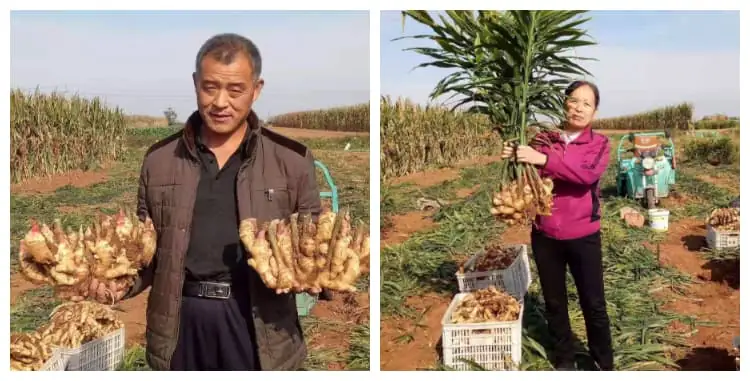
What is New Sun Oversea's Recommended Ginger Field Soil Improvement Practice?
Selected Material Information
Selected soil-management product information
- Agricultural Active Water No. 2
- Bio-Humus
- Enhanced Bio-Humus
Technical Information Review
Review soil data, product documents and field records
- Soil-test information
- Product-document review
- Field-record organization
- Monitoring-item discussion
Product Uses: Provides soil and root-zone management information. Nematode, bacterial-wilt, soft-rot and continuous-cropping concerns require diagnosis, product labelling and applicable measures.
Required Materials: Agricultural Active Water No. 2, Bio-Humus, Enhanced Bio-Humus.
Precautions: Confirm compatibility and application sequence with disinfectants such as lime or bleaching powder from the current product label and field conditions.
Use Confirmation:
Base and Top Dressing Management: Confirm the use of Bio-Humus, Enhanced Bio-Humus and Agricultural Active Water No. 2 separately through current product labelling, crop type, field diagnosis and cultivation records.
Planting and Follow-up: Set planting timing, irrigation and top-dressing plans according to soil, moisture, weather and crop growth. Fixed bag counts, volumes and waiting periods are not universal recommendations.
3 Banana Fusarium Wilt Management Assessment
Soil Management
Plan soil management from crop condition, drainage, rotation and field records
Soil records
Review soil ecology and banana-plant condition through field records
Ongoing assessment
Track wilt observations, management actions and crop condition over time
Banana plantation disease-management assessment
Review diagnosis, drainage, rotation, sanitation and soil-management information
Banana Wilt: Information to Confirm During Field Diagnosis
For suspected banana wilt, document cultivar and planting-material records, field symptoms, crop history and laboratory findings where available. Confirm diagnosis and management requirements through current plant-health authority guidance and qualified local advice.

What Should Be Reviewed for Banana Fusarium Wilt Management?
Confirm the diagnosis and review plant material, sanitation, field movement, soil, drainage and measures permitted by applicable requirements. This page does not establish a disease-control outcome.
Host (Banana)
- Select disease-resistant varieties
- Laboratory breeding improvement
- Tissue culture technology
- Genetic diversity protection
Pathogen (Fusarium Fungi)
- Reduce pathogen quantity
- Physical isolation measures
- Precise detection technology
- Disinfection and decontamination
Soil Environment
- Record soil microbial changes
- Review root-zone conditions
- Organize nutrient and drainage data
- Assess soil management from site records
Pathogen (Fusarium Fungi) Management Records: Organize disinfection, isolation, spacing, fallow and nucleic-acid testing records. Select measures from diagnosis and applicable requirements.
Soil Environment (Rhizosphere Environment) Records: Record soil, drainage, nutrient, root and microbial conditions, then assess management through comparable field records.
How Should the Relationship Between Soil and Fusarium Wilt Be Assessed?
Pathogens may affect roots and soil conditions. Assess pathogen persistence, root condition and field management through sampling, testing and crop records. Product descriptions do not establish disease-control results.
What Should Be Documented When Reviewing NS BIO Soil Management?
- Record microbial and pathogen observations with the sampling method and date
- Review soil-management choices against product labelling and site conditions
- Document soil fertility, root development and crop yield with comparable records
Field Diagnosis and Management Records
| Mechanism Process | Mechanism Details | Improvement Countermeasures |
|---|---|---|
| Attachment | Review the relationship between pathogens and roots through sampling and testing | Record root-zone, soil and plant conditions |
| Wall Breach | Assess root symptoms and soil conditions through field diagnosis | Plan management from product labelling and applicable measures |
| Toxicity | Confirm toxins and contamination through a formal analysis report | Assess material use from crop, soil and management records |
| Disease Onset | Have plant and vascular-bundle conditions reviewed by a qualified adviser | Track changes through crop-period, root and yield records |
How Does It Differ from Conventional Practices?
| Item | NS BIO Ecological Method | Conventional Practice |
|---|---|---|
| Planting Method | Assess soil and root-zone management from site records and product labelling | Plan rotation and fallow from crop, site and authority guidance |
| Soil Microbiome | Review microbial and pathogen changes through sampling, testing and field records | Fungal pathogen assessment requires defined methods |
| Soil Fertility | Track soil fertility through testing and growing-period records | Chemical inputs and management practices require site-specific review |
| Crop Yield | Compare root development, yield and quality using stated methods | Yield changes depend on rotation, soil and climate conditions |
4 Other Crop Management Records
High Mountain Cabbage
Assess clubroot and soil-management needs through field diagnosis
Strawberry Crops
Assess root-rot and root-zone management needs through field diagnosis
Onion Crops
Assess soft-rot and root-zone management needs through field diagnosis
Multiple Crop Soil-Management Information
Provide crop-specific soil-management information and field-record guidance
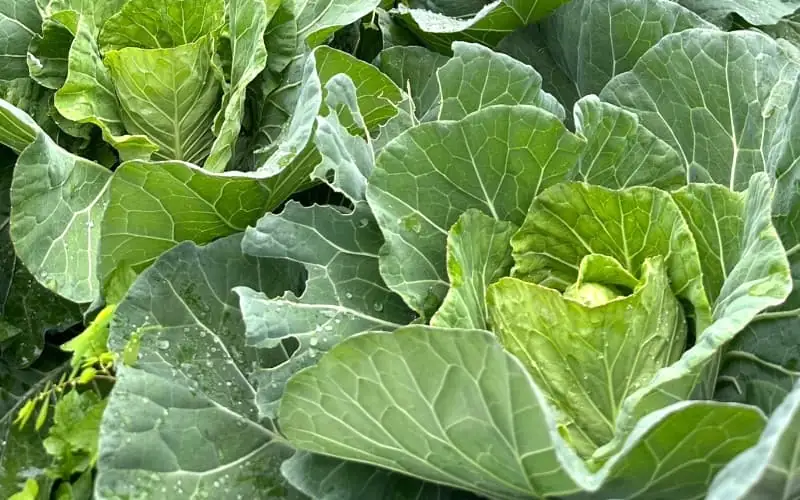
What Should Be Reviewed for High Mountain Cabbage Clubroot?
Review fertilizer source and maturity, rotation, lime use, drainage, soil tests and pathogen diagnosis together. Determine the causes of clubroot, nematode concerns or soil changes from sampling and field records.
Problem Analysis
- Record rotation and crop periods
- Confirm fertilizer source and maturity
- Record lime and other material use
- Assess soil conditions through testing and diagnosis
NS BIO Product Information
- Review soil microorganisms
- Record nematode observations
- Assess clubroot concerns through diagnosis
- Review soil conditions over time
Field Records
- Record crop condition
- Record soil and drainage conditions
- Compare management practices by plot and season
- Confirm outcomes through field and test records
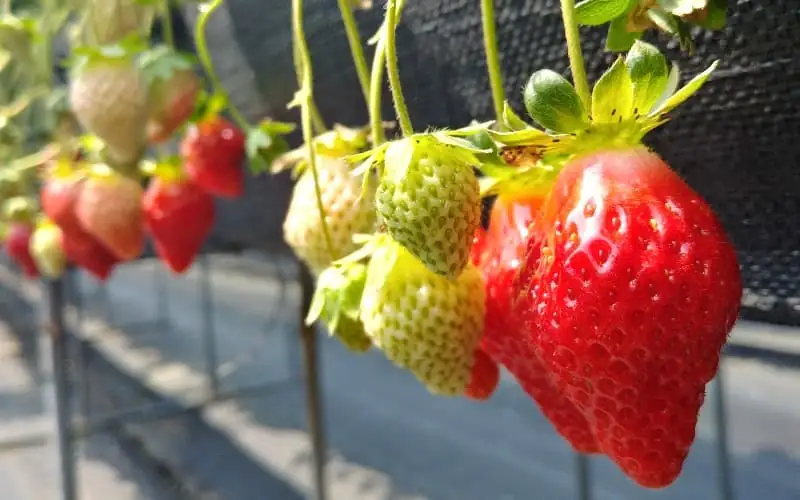
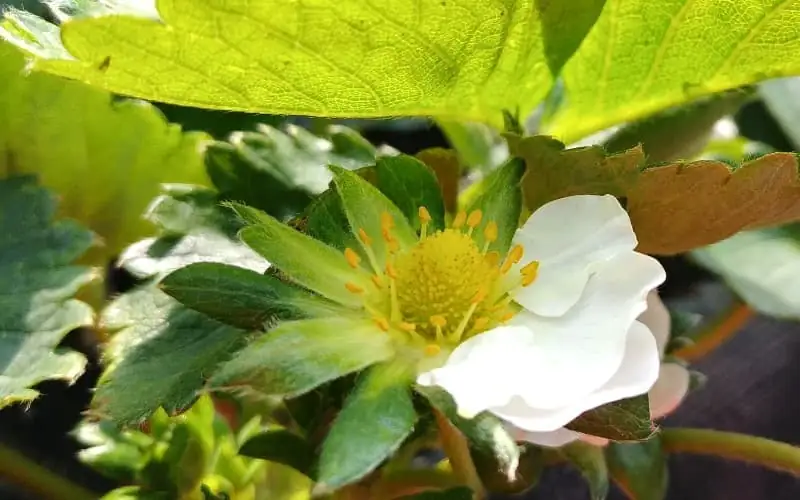
How Should Strawberry Root Symptoms Be Assessed?
- Confirm seedling sources and mother-plant health records.
- Review drainage, roots and soil-moisture conditions.
- Use symptom-based sampling to identify pathogens and possible transmission routes.
For black or brown roots, record timing, rainfall, drainage, root condition and sampling results before diagnosis.
How Can You Maintain Strawberry Roots?
Agricultural Active Water No. 2 contains chitosan and may be considered for soil and root-zone management according to its label. Nematode, pathogen and root concerns require diagnosis and applicable management measures.
How Should Onion Soft-Rot Concerns Be Assessed?
Include fertilizer source and maturity, drainage, root wounds, symptoms and pathogen testing in the field diagnosis. A harvest interval alone does not establish soil improvement.
Data references: Wufeng Plant Protection Manual, Agricultural Improvement Stations, Taiwan University, field experience
5 Download Product Information and Consultation
Discuss Farmland Management Conditions
Contact the team to discuss site conditions, product information and suitable next steps.